
The Shape of a Semester Is Part of the Student Experience
A semester is more than deadlines on a calendar; its pacing affects how students absorb ideas, manage pressure and find time to think.
A semester can feel like a calendar of deadlines, but its design shapes how learning unfolds. The spacing of assignments, the timing of feedback and the relationship between lectures and independent work all influence whether students have time to connect ideas. A crowded schedule can make even interesting material feel like a race from one submission to the next.
That does not mean every difficult week can be removed. University study asks students to sustain attention and work through demanding concepts. The question is whether a course’s rhythm gives them opportunities to practise, receive feedback and improve before the final assessment. Thoughtful pacing can make challenge more productive.
Students also experience the semester differently depending on work, commuting, caregiving and other responsibilities. Institutions can communicate assessment dates clearly and review how concurrent deadlines affect learners across a programme. Those small acts of coordination can support deeper engagement without lowering academic expectations.
South Africa University’s education coverage looks at the systems and experiences that shape learning. The semester is one of those systems: an invisible structure that can either create room for curiosity or crowd it out. Understanding its design is part of understanding what a university education feels like day to day.
Prioritise when several deadlines collide
List what is due, what remains and the consequence of missing each deadline. Break the next two days into realistic actions and start with the task that is both important and possible. If the combined workload cannot fit, contact a lecturer or adviser early and ask what options exist. Do not spend the whole day reorganising a calendar instead of making progress.
Keep a minimum version of the plan for difficult weeks: attend essential classes, identify the next assignment action, eat and sleep, and ask for support. Returning to a simple routine can be more effective than abandoning the plan because it no longer looks perfect.
Use feedback as part of the schedule
When an assignment is returned, reserve time to review comments before beginning the next similar task. Identify one or two changes to apply, such as strengthening evidence or clarifying structure. This turns feedback into ongoing learning rather than a note filed away after the grade is received.
If feedback is difficult to interpret, ask the lecturer or tutor for clarification using a specific example. Understanding one point can improve several future assignments and make the study plan more effective.
Keep a record of what works
At the end of the semester, note which study blocks were realistic, which tasks took longer and what support helped. Use this information when planning the next term. A student's routine can improve over time as they understand their pace and the demands of different modules.
Leave room for unexpected opportunities
Semesters may include guest talks, consultations, campus activities or changes in a student's responsibilities. A plan with no open space cannot absorb these without sacrificing sleep or deadlines. Keep a small flexible block each week and use it for catch-up, support or an activity that contributes to learning.
Plan for learning, not just deadlines
A semester calendar can show due dates, but it does not automatically create a workable study routine. Students need time to read, attend classes, practise, revise and recover. A plan that includes only exams and submissions often becomes overloaded near the end. Start by mapping the semester's fixed commitments and then add the work that leads up to them.
Collect course outlines, assessment dates, class times, work shifts and important personal commitments. Use the institution's current calendar and check for changes. Put major deadlines in one place and mark the weeks when several assessments overlap. This overview helps students see pressure points early enough to adjust.
Break large tasks into smaller actions
An assignment such as “write a report” can feel difficult to start. Break it into steps: understand the question, find sources, make an outline, draft sections, review evidence, edit and submit. Estimate time for each and schedule the first action. Smaller steps make progress visible and reveal when a task needs help.
For exams, distribute review across the semester. Revisit notes, practise problems and identify gaps before revision week. A study plan should include active work, not just time spent looking at materials. Explain difficult concepts aloud, compare examples or test recall, depending on the subject.
Use a realistic weekly structure
Choose regular study blocks that fit the actual timetable. Include travel, meals, rest and other responsibilities. A schedule that assumes every evening is available will fail for students who work or provide care. Start with a few dependable blocks and adjust after observing how long tasks take.
Plan different kinds of work for different settings. A quiet location may suit writing, while a short gap on campus may suit reading or reviewing flashcards. Do not expect commute time to support deep concentration if conditions are crowded or unsafe. Keep a backup task for a cancelled class or unexpected gap.
Build in buffers and recovery
Leave time before deadlines for technical problems, feedback and revision. If every task is scheduled to finish the night before submission, one disruption can affect several modules. A buffer also gives students room to ask for clarification and check formatting or citations.
Rest is part of a sustainable plan. Schedule breaks, meals and sleep rather than treating them as optional rewards after work is complete. A student who is exhausted may need to revise the plan, not simply add more hours. If pressure persists, contact academic or wellbeing support.
Coordinate group work and shared responsibilities
Group assignments require time for meetings, asynchronous contributions and integration. Agree on internal deadlines that occur before the official submission. Record who owns each task and what happens if someone is unavailable. This reduces the chance that a project depends on one last-minute meeting.
Students with work or family commitments should communicate constraints early and propose workable times. The group can use shared documents and clear notes to reduce unnecessary meetings. Fair planning recognises invisible work such as organising, editing and follow-up.
Review the plan as the semester changes
Spend a few minutes each week checking upcoming deadlines, progress and energy. If an assignment takes longer than expected, adjust lower-priority tasks or ask for support. A plan is a tool, not a promise that circumstances will remain fixed. Updating it is a sign of good judgement.
When a deadline is at risk, check the course policy and contact the relevant staff member as early as possible. Explain the situation clearly and ask what options exist. Do not assume that an extension is automatic or wait until after the due date if an earlier conversation is possible.
Make the plan visible and easy to use
Choose a calendar, notebook or digital task list the student will actually consult. Keep it simple: dates, next actions and a few priorities. Avoid spending more time decorating a system than using it. If reminders help, set them for the start of a task rather than only for the final deadline.
A semester plan should make the next step clearer and help students notice pressure before it peaks. It survives a busy term when it is realistic, flexible and connected to actual learning work. Students can then adjust with intention instead of reacting to every deadline at once.
Elisha Roodt
Sharing authentic stories and expert insights from the heart of South Africa's higher education landscape.
More From News
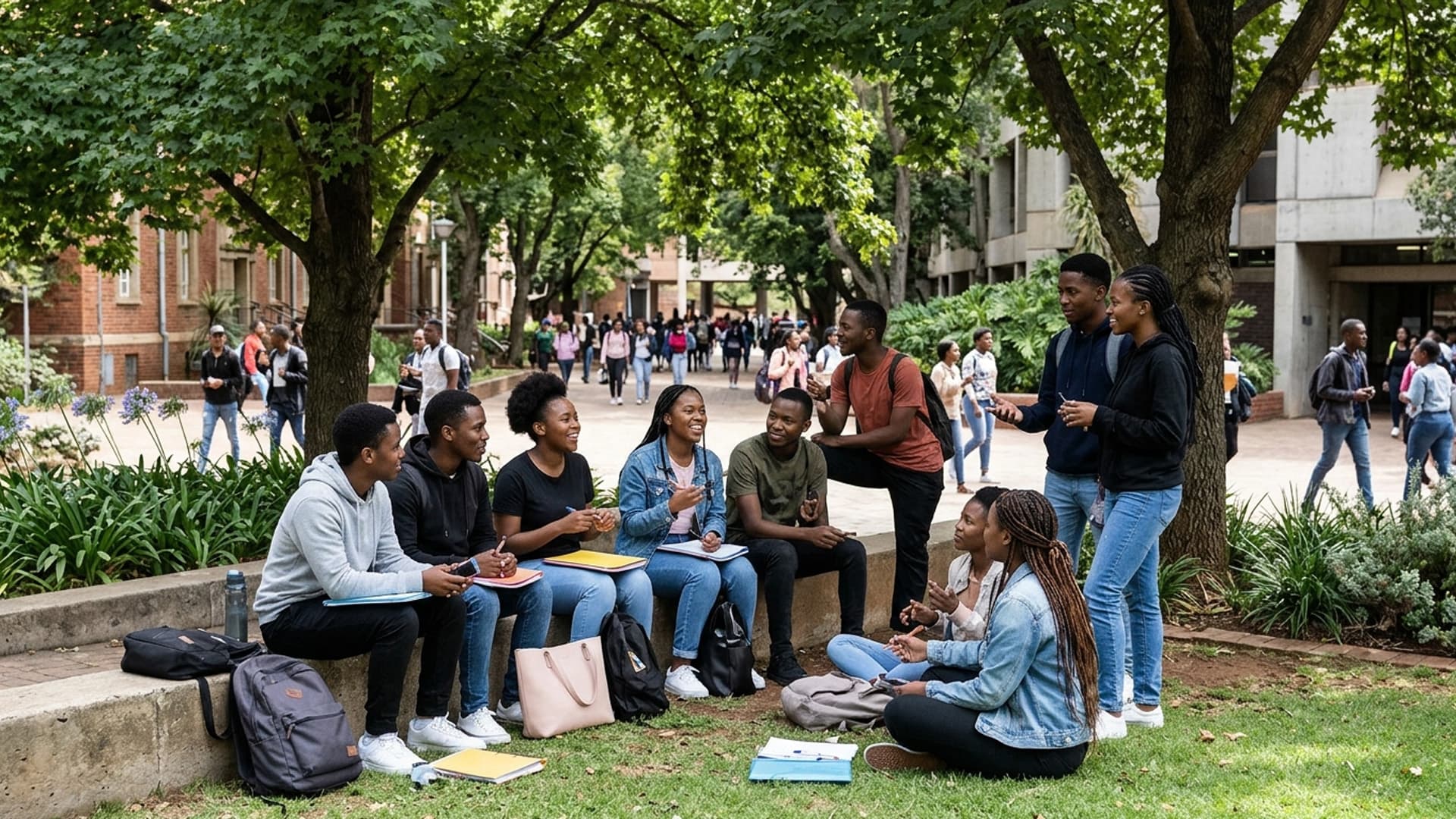
The First Weeks of University Are a New Campus Culture
Starting university means learning a new academic rhythm and finding a place in campus life, not just locating lecture rooms.

Access vs Success: The Gap Between Getting In and Thriving in South African Universities
Why Opening the Gates Isn’t the Same as Crossing the Finish Line Every January, South Africa celebrates as hopeful students clutch their...

Top 5 Student Accommodation Options Near Major South African Universities
Finding the Right Place to Call Home During University Years Choosing where to live during university years is more than just securing a bed and a...
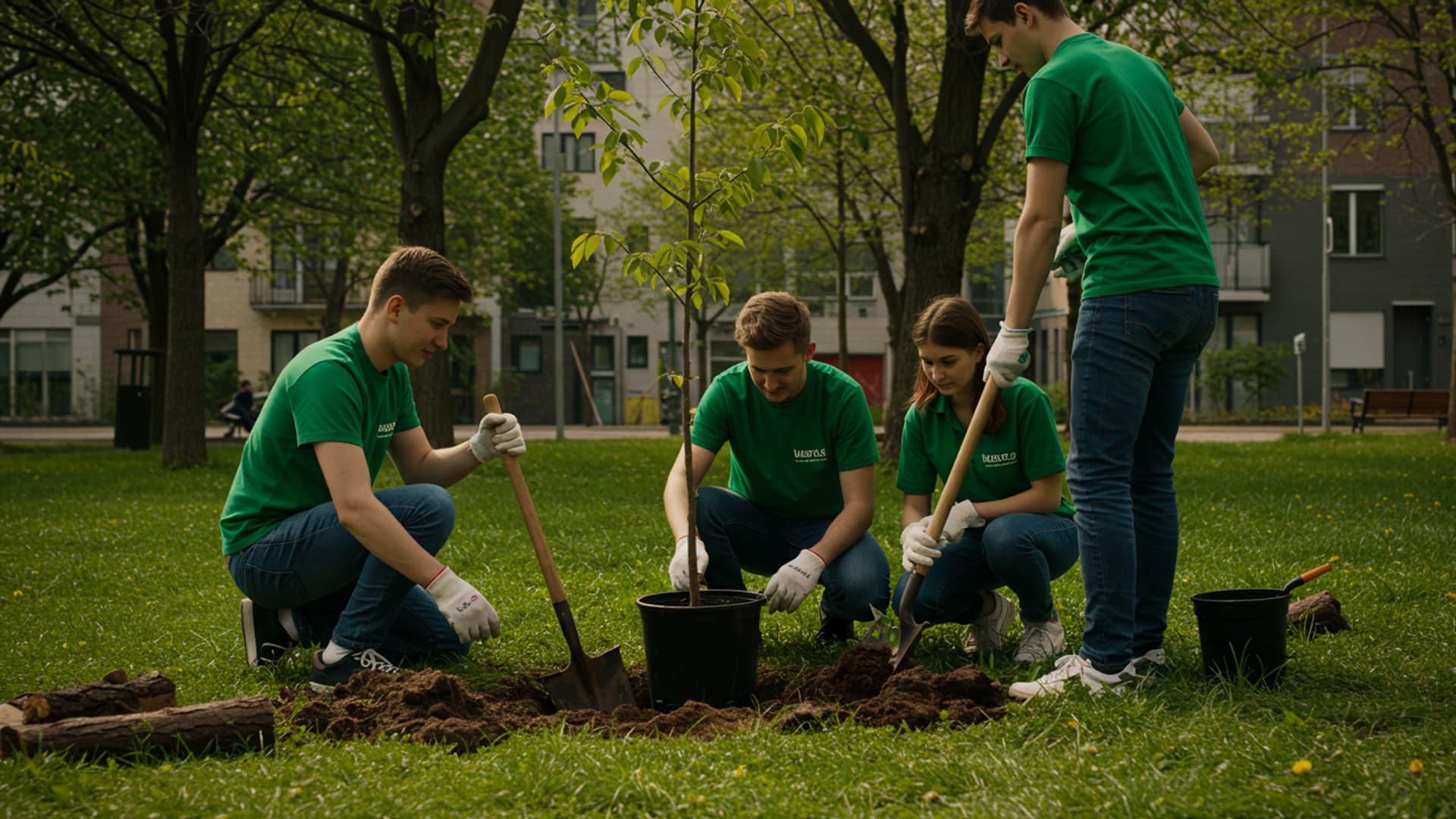
Sustainability in Higher Ed: Green Initiatives Across Campuses
Campus-Led Energy, Waste, and Biodiversity Innovations Imagine a bustling campus at dawn: solar panels glint on rooftops while students in neon...

Harnessing Digital Transformation
South African universities are embracing digital transformation to enhance student success. Institutions like Tshwane University of Technology are collaborating with tech giants such as IBM and Huawei to create innovation hubs, providing students with practical, workplace-based projects. This approach aims to ensure that all stakeholders—senior management, staff, and students—are actively involved in the digital transformation journey