
The First Weeks of University Are a New Campus Culture
Starting university means learning a new academic rhythm and finding a place in campus life, not just locating lecture rooms.
The first days at university are often described through practical tasks: finding a room, collecting a card, learning a timetable. Beneath those details is a more important transition. Students are entering a new academic culture, where expectations around independent study, participation and asking for help may differ from what they knew before.
Campus life is not one universal experience. A commuter student, a residence student, a mature learner and someone new to the city may encounter the institution from very different starting points. Peer conversations and student societies can make a large campus feel more navigable, but belonging is also shaped by how clearly the university communicates and how accessible its support is.
The opening weeks are therefore a useful lens on student experience. How are new learners welcomed? Can they find reliable information? Are academic expectations explained in ways that do not assume everyone already knows the system? Those questions matter to institutions as much as to individual students.
South Africa University covers higher education as a living environment, not only a set of rankings or application dates. A successful beginning is not about mastering everything immediately. It is about finding trustworthy information, people to ask and enough confidence to participate in a community that is still becoming familiar.
Keep a short list of open questions
Students may think they are the only person confused about a process, but common questions are often left unasked. Write down uncertainties about registration, course materials, access or deadlines and bring them to an adviser, student ambassador or faculty office. Ask which source is authoritative and save the answer. This turns a vague worry into a practical task.
At the end of the first fortnight, choose one routine to keep and one thing to adjust. Small changes are easier than rebuilding the whole week. The goal is to become more familiar with the environment while leaving room for the semester's real workload to emerge.
Treat the opening weeks as orientation, not a test
Starting university can feel like entering several new systems at once: classes, registration, campus services, study expectations, transport and a wider social environment. The first two weeks are not a measure of whether someone belongs. They are a period for learning how the institution works and finding a few reliable routines. A student does not need to understand everything immediately.
Begin with the essential information. Confirm registration, timetable, campus access, student account and the official communication channels used by the faculty. Save the academic calendar and note important dates for adding or changing modules. Check where official notices appear so that a message in an informal group is not mistaken for a binding instruction.
Learn the campus one route at a time
Before the first class, identify the building, room and a nearby landmark. Use the institution's current map and allow extra time to get there. A campus can be larger than expected, and room numbers may follow a pattern that is not obvious. If a class moves, confirm the change through an official channel.
Find key services gradually: library, student support, faculty office, health or counselling services, computer access and places to eat or rest. A short visit can be more useful than trying to tour every building in one day. Ask staff or student ambassadors for directions, and keep a note of the correct office for common questions.
Understand the academic rhythm
University classes may expect preparation before a lecture, participation in tutorials and independent work between sessions. Read course outlines and note how each module communicates deadlines. Add assessment dates to a calendar, but also schedule time for reading and project work. A calendar that contains only due dates can hide the amount of preparation required.
Check the learning platform and make sure you can access readings, announcements and submission instructions. If a file or link does not work, report the issue early. Learn how to contact a lecturer or tutor respectfully, including the subject line and information that helps them answer. These small practices make academic communication less intimidating.
Build a manageable weekly routine
Look at the full timetable, including travel, meals, work, family responsibilities and rest. Identify a few regular study periods that are realistic. Students do not need to spend every free hour in the library; consistency matters more than an impossible schedule. Leave time for unexpected tasks and avoid booking every evening before understanding the workload.
For commuters, test the route and allow a buffer for delays. Check current transport information and save a backup option when possible. For students living on or near campus, learn the safe and practical routes between accommodation, classes and services. Share your broad schedule with someone you trust if that is useful.
Find people and communities at your pace
Friendships and a sense of belonging develop differently for different students. Attend an orientation or society event that genuinely interests you, but do not feel required to join everything. A conversation with a classmate, a study group or a student society can provide a starting point. Some students prefer to observe before participating, and that is normal.
Use official channels to find clubs, peer mentoring and faculty activities. If joining a group feels difficult, attend with someone or ask an organiser what to expect. Be mindful that social media groups may contain unofficial information. Confirm academic or administrative details through the institution's own systems.
Ask for help early
Students can seek academic support before failing an assessment. Ask a tutor to clarify a concept, visit a writing centre or use library guidance when a research task is unfamiliar. If a personal or health issue affects study, contact the relevant support service and ask about available options. Early contact gives the institution more time to explain processes and support.
Students with disability or access needs may need to register with a service and discuss arrangements. Find out what documentation or lead time is required. These processes vary, so use the university's official information and ask direct questions. Seeking access support is a practical step toward participating fully.
Keep wellbeing practical
Sleep, food, movement and connection affect concentration. Carry water, plan meals and identify a place to take a quiet break. If stress rises, reduce the plan to the next manageable task and contact someone trustworthy. A student should not assume that everyone else has settled in immediately; many people are also figuring things out.
Be cautious with spending, accommodation offers and requests for personal information. Use official student channels for financial or administrative advice. Keep account passwords private and enable security features recommended by the institution. If something seems suspicious, verify it through a known office rather than replying to an unexpected message.
Review what you have learned
At the end of the second week, ask: Do I know where to check official updates? Can I reach my classes? Have I noted the first deadlines? Do I know one person or service I can contact? These are useful milestones. If an answer is no, identify one small action to address it rather than viewing the whole transition as a failure.
The first weeks are a foundation, not a performance. Learning the campus, building a routine, finding support and meeting people takes time. A steady start gives students room to adapt and makes the rest of the semester easier to navigate.
Elisha Roodt
Sharing authentic stories and expert insights from the heart of South Africa's higher education landscape.
More From News

Access vs Success: The Gap Between Getting In and Thriving in South African Universities
Why Opening the Gates Isn’t the Same as Crossing the Finish Line Every January, South Africa celebrates as hopeful students clutch their...

Top 5 Student Accommodation Options Near Major South African Universities
Finding the Right Place to Call Home During University Years Choosing where to live during university years is more than just securing a bed and a...
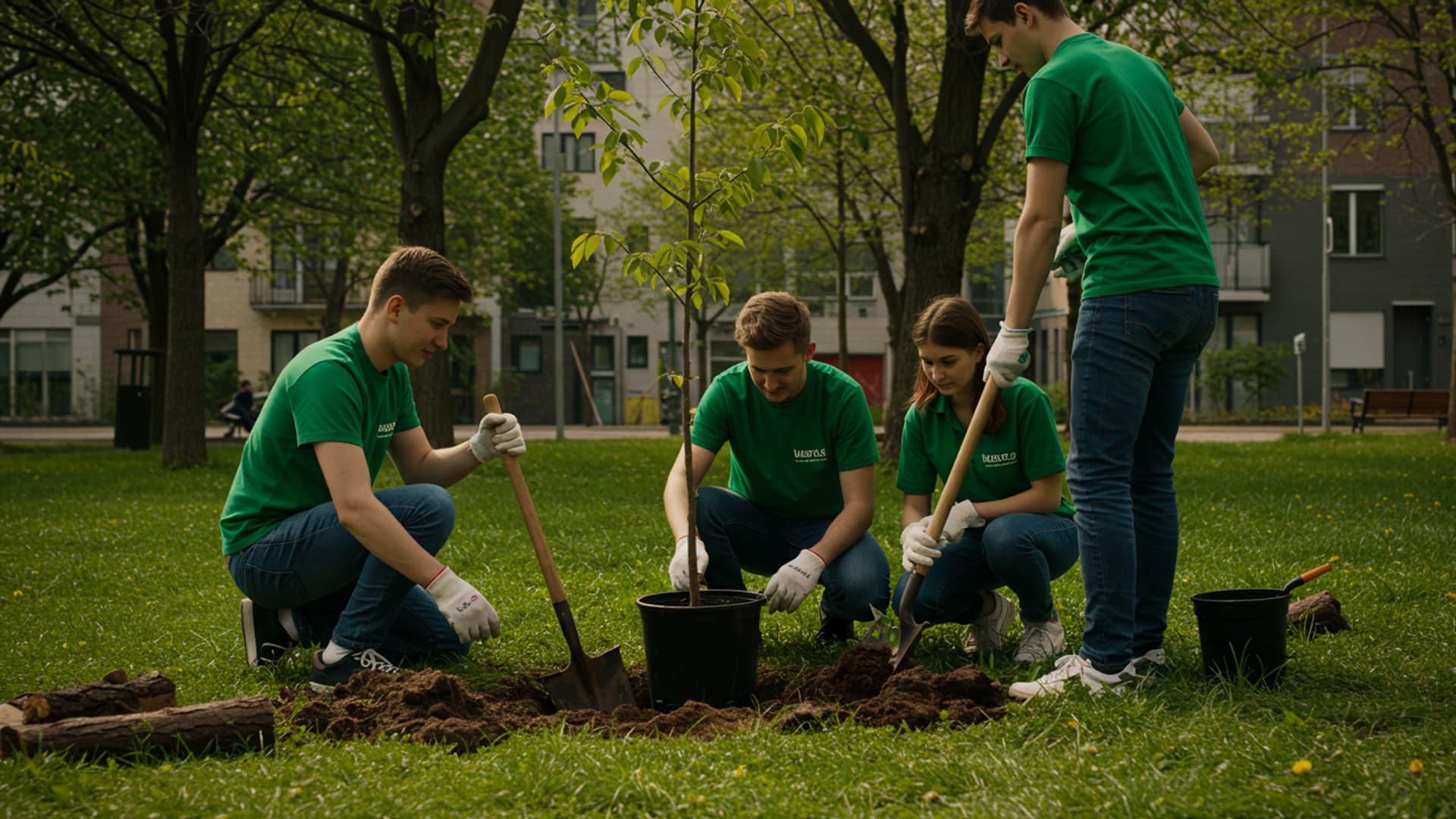
Sustainability in Higher Ed: Green Initiatives Across Campuses
Campus-Led Energy, Waste, and Biodiversity Innovations Imagine a bustling campus at dawn: solar panels glint on rooftops while students in neon...

Harnessing Digital Transformation
South African universities are embracing digital transformation to enhance student success. Institutions like Tshwane University of Technology are collaborating with tech giants such as IBM and Huawei to create innovation hubs, providing students with practical, workplace-based projects. This approach aims to ensure that all stakeholders—senior management, staff, and students—are actively involved in the digital transformation journey