
A Student Portfolio Shows How Creative Thinking Takes Shape
In creative study, a portfolio can reveal a student’s evolving ideas, experiments and decisions, not just a polished final image.
A portfolio is often treated as a display case for finished work. In creative education, it can be more revealing when it shows how an idea developed: experiments, revisions, choices and moments where a student changed direction. The process helps make creative thinking visible.
For a student, selecting work is an act of interpretation. A collection can show how different projects connect, where confidence has grown and which questions remain open. Feedback from lecturers and peers adds another layer, helping the student see the work from perspectives beyond their own. A portfolio can therefore support reflection as well as presentation.
Across the Western Cape, creative study takes place in varied settings and disciplines. A portfolio is not a universal measure of talent, and it should not erase the context in which work was made. The strongest conversations ask what the student intended, what constraints shaped the project and what they learned through making it.
South Africa University’s Western Cape coverage can spotlight the people and ideas within higher education. Student work is not simply a preview of a future career; it is evidence of inquiry happening now, with each project adding a different part to the larger story.
Keep a private archive and a public selection
The archive can hold drafts, notes and references; the public portfolio should show only work the student has permission to share. Separate the two clearly and label files with project names and dates. This protects coursework and collaborators while making later selection much faster.
Review image and text rights before publishing. If a project includes a partner's contribution, obtain agreement and describe roles accurately. A portfolio is a professional record, so careful attribution is part of the work.
Prepare for different audiences
Before sharing a portfolio, ask what the viewer needs to decide. A lecturer may be assessing learning outcomes; an internship reviewer may want to understand the student's contribution and interests. Reorder the same projects to make the most relevant evidence visible, while keeping descriptions honest and consistent with the work.
Keep a short introduction that explains the student's focus and a clear contact route if the portfolio is public. Review it on a phone and check that links open without requiring special access. A simple, reliable presentation helps the work speak for itself.
A portfolio is a record of thinking
A student portfolio can show more than polished outcomes. It can reveal how an idea began, which references informed it, what alternatives were considered and how feedback changed the work. This is valuable in creative study because process often matters as much as the final image, object or presentation. A portfolio becomes stronger when it helps a viewer understand the student's decisions.
Begin with a clear purpose. A portfolio for a course assessment may need to demonstrate specific learning outcomes; one for an internship or creative opportunity may need to show selected strengths. Do not assume that one version suits every audience. Read the brief and keep a fuller archive from which a focused selection can be made.
Build a project record from the beginning
For each project, save the brief, research, sketches, prototypes, drafts, feedback and final work in an organised folder. Add dates and short notes about decisions. It is difficult to reconstruct process at the end of a semester, especially when several projects overlap. A simple record supports reflection and helps the student identify how the work developed.
Include experiments that taught something, even if they were not used in the final outcome. Explain why an approach changed. A failed prototype can show learning when the student identifies what it revealed and how the next iteration responded. The portfolio should not imply that every decision was obvious or that good work emerges without revision.
Select work with intention
Choose projects that demonstrate different strengths or a coherent interest. A portfolio does not need to include everything. Too many similar pieces can make it difficult to see what the student does especially well. For each item, consider what it tells the viewer about observation, craft, problem solving, collaboration or communication.
Provide a concise description of the project, the student's role, tools or methods used and any constraints. If work was collaborative, identify the individual's contribution honestly. Do not present a team's result as an individual achievement. Where confidentiality or client permissions apply, check what can be shown before publishing.
Show the process without overwhelming the viewer
Use a few meaningful process images, annotations or excerpts rather than every draft. Arrange them in a sequence that explains the evolution of the idea. Captions should add context: what question was being tested, what changed and why. A gallery without explanation may look attractive but leaves the viewer to guess what the student learned.
The amount of process depends on the discipline. A design portfolio may include research and iteration; a photography portfolio may focus on selection, editing and sequencing; a writing portfolio may include drafts and editorial decisions. Follow the course guidance and ask tutors what evidence is expected. The goal is clarity, not a universal template.
Write reflections that are specific
Useful reflection identifies a decision, evidence and consequence. Instead of saying “I learned a lot,” explain which part of the process changed the work and what the student would do differently next time. Connect reflection to feedback, testing or research. This shows active thinking and helps the student make learning transferable to a new project.
Reflection should also acknowledge constraints. Time, equipment, access, materials or team coordination can shape a result. Explaining those conditions gives the work context without making excuses. It helps a viewer understand what was achievable and what the student learned from working within the brief.
Make the portfolio accessible and professional
Use readable type, clear contrast, descriptive headings and consistent navigation. Add alt text to meaningful images and provide captions or transcripts for audio and video where appropriate. Check that the portfolio works on a phone and that file sizes do not make it slow to open. If a viewer cannot access a link, the work may not be seen.
Proofread labels, dates and contact details. Use filenames that are understandable and confirm that external links work. Keep a private copy of the archive and avoid publishing personal information or other people's images without permission. If the portfolio is shared publicly, review the audience and privacy settings first.
Use feedback to improve selection
Ask a tutor, peer or mentor to review the portfolio against its purpose. Can they understand the project and the student's contribution? Is the strongest work easy to find? Does the sequence tell a coherent story? Give the reviewer a specific question rather than asking only whether they like it.
Use feedback as information, not as an instruction to erase personal voice. Some comments may conflict; the student can decide which align with the brief and intended audience. Keep a record of revisions so the portfolio continues to reflect the student's actual work and thinking.
Let the portfolio grow over time
Review the selection after each major project. Retire work that no longer represents current skills and add new examples that show growth. Keep the source archive even when a project is removed from the public version. This allows a student to prepare a different selection for a course, opportunity or discipline without starting again.
A thoughtful portfolio is not just a display. It is a structured account of choices, practice and development. Building it one project at a time makes reflection more manageable and gives students a clearer picture of how their creative thinking takes shape.
Elisha Roodt
Sharing authentic stories and expert insights from the heart of South Africa's higher education landscape.
More From Western Cape

University of the Western Cape
The University of the Western Cape (UWC) is a leading institution of higher education situated in the vibrant city of Cape Town, South Africa...

Cape Peninsula University of Technology (CPUT)
The Cape Peninsula University of Technology (CPUT) is a university in Cape Town, South Africa. It was established in 2005 and offers undergraduate and postgraduate degrees in a wide range
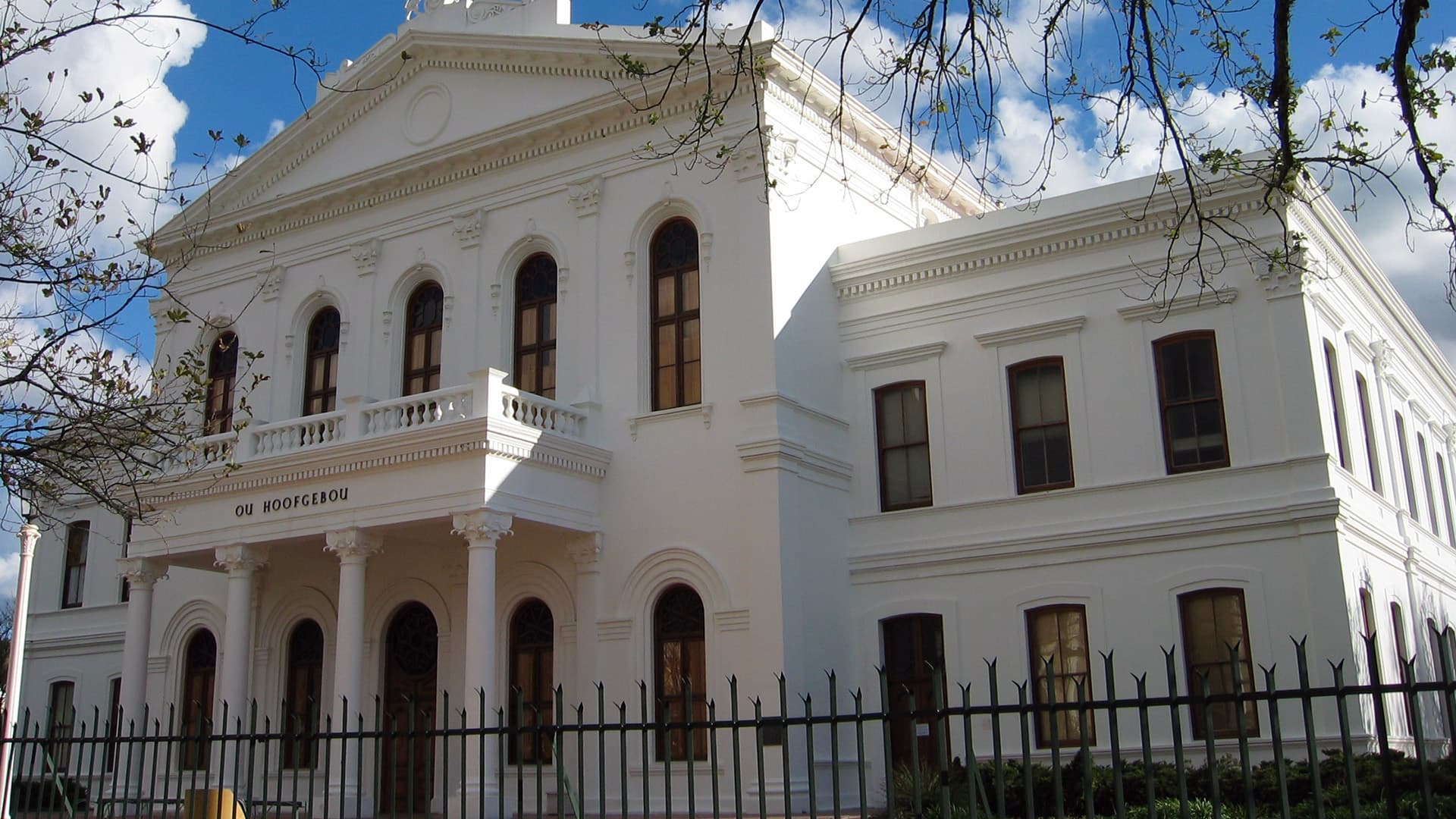
Stellenbosch University (SUN)
Stellenbosch University is a public research university located in Stellenbosch, South Africa. Founded in 1866, it is the oldest university in the Western Cape province and one of the oldest

University of Cape Town (UCT)
The University of Cape Town (UCT) is a public research university located in Cape Town, South Africa. It was established in 1829 as the South African College, and later became