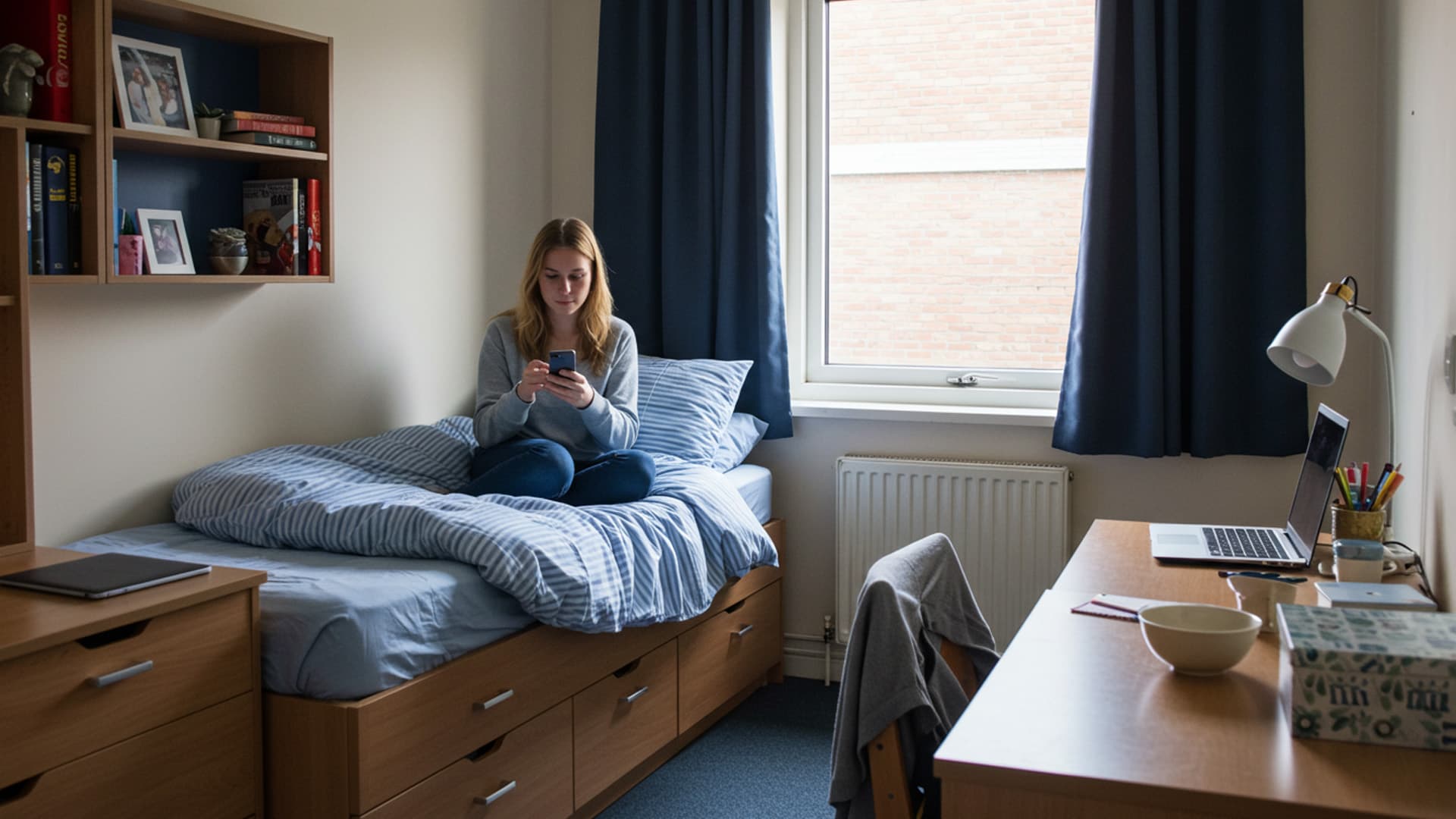
Top 5 Student Accommodation Options Near Major South African Universities
Finding the Right Place to Call Home During University Years Choosing where to live during university years is more than just securing a bed and a...
Finding the Right Place to Call Home During University Years
Choosing where to live during university years is more than just securing a bed and a desk—it is about finding a sanctuary that shapes daily rhythms, academic productivity, and overall well-being. For students attending South Africa’s largest universities, the decision between on-campus residences and off-campus apartments or private rentals can feel like navigating a labyrinth of trade-offs. Each option comes with its own ecosystem of proximity, affordability, amenities, and safety considerations. To make the choice clearer, let’s journey through five key accommodation categories, examining how each one can either empower or encumber the student experience.
On-Campus Residences
Proximity and Convenience
Imagine rolling out of bed ten minutes before your first lecture and still arriving on time—that is the hallmark of on-campus residences. Proximity is not merely about saving time; it also reduces the cognitive load of commuting. In many South African universities, such as Wits and UCT, residence halls are integrated into the campus fabric, allowing students to move seamlessly between study, social activities, and personal downtime. This hyper-convenience can foster a sense of academic immersion, as one’s physical environment is intrinsically aligned with educational pursuits.
Yet, the very closeness that breeds convenience can also create a bubble. For students yearning for independence or exposure to city life, being confined within the campus perimeter may feel limiting. The analogy is akin to living inside a library—you are always close to knowledge but may miss the broader texture of the city beyond. The trade-off, therefore, lies in whether one values the efficiency of being “always near” or the growth that comes from navigating distance and independence.
Cost and Amenities
University residences often include bundled costs, covering utilities, Wi-Fi, and sometimes even meals in a communal dining hall. This financial predictability is comforting, especially for first-year students or international scholars unfamiliar with local rental practices. At universities like Stellenbosch, residence halls often double as cultural hubs, hosting events, mentorship programs, and sports tournaments that enrich student life beyond academics. Amenities become less about luxury and more about creating an ecosystem of support.
Such inclusivity comes at a price. Residences are frequently oversubscribed, pushing prices upward while simultaneously limiting personal choice. Rooms may be shared, and facilities like kitchens or bathrooms are communal, echoing the dynamics of a large family household. Students who crave autonomy in their living arrangements might perceive these amenities as restrictions rather than conveniences, especially when compared with private apartments where individual control is paramount.
Safety and Security
On-campus residences are often fortified with controlled entry points, 24-hour security staff, and surveillance systems, designed to create a safe cocoon for students. For parents, the knowledge that their child is living within a protected university perimeter provides immense peace of mind. Universities such as the University of Pretoria invest significantly in residence security, ensuring that students can study late at the library and return safely to their rooms.
Still, safety is not absolute. The density of students in a single space can invite petty theft or conflicts, just as any densely populated environment might. In some cases, the sense of security may breed complacency, with students underestimating risks. The safest environment is ultimately one where students remain vigilant, supported by institutional measures but guided by personal responsibility.

Shared Student Houses
Proximity and Independence
Shared student houses offer a middle ground between campus proximity and independent living. Located in nearby neighborhoods such as Observatory in Cape Town or Hatfield in Pretoria, these houses often become micro-communities where small groups of students live together. Walking distance to campus is common, though some require a short bus or taxi ride. Unlike the on-campus bubble, this arrangement gives students a taste of urban life while still staying connected to academic hubs.
The metaphor of a shared house is like forming a small village. Each student contributes to the household’s rhythm—cooking, cleaning, and budgeting together. This independence can sharpen life skills that go untaught in classrooms, building resilience and adaptability. The proximity is “close enough” without the feeling of being hemmed in, offering a sweet spot for those seeking balance.
Cost and Amenities
Financially, shared student houses can be more affordable than on-campus residences, particularly when costs are split among several housemates. Rent often includes utilities, though students may share responsibilities for groceries, cleaning supplies, and Wi-Fi. The amenities are typically more customizable—students can decide what appliances to buy or how to organize common spaces. This flexibility often makes shared housing feel more like a home than a dormitory.
Yet, costs can fluctuate unpredictably. If one housemate leaves mid-semester, the financial burden may fall unevenly on the others. Amenities also vary widely depending on the house’s condition and landlord’s commitment. Unlike residence halls, where standards are regulated by the university, shared houses depend on the dynamics of the group and the landlord’s reliability. For students who thrive in adaptable environments, this is a feature, not a flaw.
Safety and Security
Safety in shared student houses is a mixed equation. Living in residential neighborhoods means students are subject to the same security risks as any urban household. In areas adjacent to universities, crime rates can fluctuate, ranging from minor break-ins to more serious incidents. Many student houses rely on burglar bars, alarm systems, or neighborhood watch programs as deterrents. Security is often as strong as the housemates’ collective vigilance.
Compared to on-campus residences, the responsibility for safety shifts more heavily onto the occupants. It’s akin to moving from a guarded fortress to a self-managed outpost. Students must learn to lock doors, manage visitors, and coordinate routines to minimize risks. While this may feel daunting, it also cultivates maturity—a necessary step toward independent adulthood.

Private Apartments
Proximity and Lifestyle
Private apartments represent a leap into full independence. Found in central urban areas such as Braamfontein near Wits or Rondebosch near UCT, apartments are usually a short walk or public transport ride away. The real advantage lies in lifestyle—students are immersed in the city’s heartbeat, surrounded by cafes, bookstores, and nightlife. This proximity to urban culture broadens horizons beyond academic life, merging scholarly pursuits with metropolitan vibrancy.
The metaphor here is moving from a pond into an ocean. While residence halls and student houses are enclosed ecosystems, private apartments expose students to the expanse of city living. It is liberating, but with freedom comes greater responsibility, from managing landlords to navigating public utilities. The decision often depends on whether a student feels prepared for the vastness of that ocean.
Cost and Amenities
Private apartments are typically more expensive than shared houses or residences, especially in high-demand university towns. Costs are fragmented—rent, electricity, water, Wi-Fi, and sometimes parking fees accumulate into a monthly balancing act. On the flip side, amenities are superior. Students gain private kitchens, bathrooms, and personal space—an invaluable asset for those who prize privacy and autonomy. Some apartments even offer gyms or communal lounges as added perks.
Financially, this option requires a steady hand on the budgeting wheel. A missed utility bill can result in disconnection, unlike the safety net of bundled residence fees. The benefit, however, is customization. Students can choose where to invest—splurging on high-speed fiber or cutting back on luxuries. The flexibility makes private apartments ideal for those who want full control over their living environment.
Safety and Security
Apartment complexes often provide layered security, including access control, CCTV, and security guards. In cities like Johannesburg, many modern student-targeted apartments are designed with safety as a central feature. Nevertheless, living in an urban setting comes with exposure to risks such as street crime or opportunistic theft. The buffer of a secured lobby is strong but not impermeable.
Ultimately, safety in private apartments is proportional to both the infrastructure and the individual’s vigilance. It’s similar to sailing in open waters—the ship may be well-built, but the sailor must still steer cautiously. Students who adopt cautious habits, such as avoiding late-night commutes alone, will find private apartments both safe and liberating.

Purpose-Built Student Housing (PBSH)
Proximity and Integration
Purpose-built student housing (PBSH) has gained momentum in South Africa over the last decade. These are privately managed buildings designed exclusively for students, often located within walking distance of universities. Examples include facilities near UJ or Stellenbosch that blend residential convenience with academic integration. The proximity is intentional, making the student lifestyle seamless while avoiding the administrative constraints of on-campus living.
PBSH is like a bridge between residence halls and private apartments—structured for students but run independently. The experience is curated, with study spaces, communal lounges, and proximity that balances independence with access. For students seeking predictability in location and lifestyle, PBSH offers a harmonious blend of both worlds.
Cost and Amenities
Financially, PBSH is positioned between on-campus residences and private apartments. Costs are predictable, often billed as all-inclusive packages covering utilities and sometimes even laundry services. Amenities are abundant—common study rooms, gyms, and social lounges are standard, designed to enhance both academic productivity and social interaction. The predictability makes PBSH attractive to international students and parents seeking reliability.
This curated experience comes at a premium. While cheaper than private apartments in some cities, PBSH is usually pricier than shared student houses. Students essentially pay for the peace of mind that everything is handled. The question becomes whether that premium feels like an investment in stability or an unnecessary constraint on one’s budget.
Safety and Security
Purpose-built student housing prioritizes security. Many complexes have biometric access, 24-hour security patrols, and CCTV coverage. The ethos is creating a fortified yet friendly environment where students can thrive academically and socially without the persistent worry of urban crime. In effect, PBSH simulates the security of a university residence while layering on professional management.
The analogy here is that of a gated village designed exclusively for students. While it provides assurance, it may also feel insular. For students who value integration into the broader community, PBSH may appear too curated. Yet, for those who prioritize peace of mind, it represents one of the most balanced security models available.

Staying with Host Families or Private Rooms
Proximity and Cultural Immersion
For some students, particularly internationals, staying with a host family or renting a private room in a household offers both accommodation and cultural immersion. These homes are usually within commuting distance, sometimes requiring a bus or train ride. Unlike other options, proximity is less about physical closeness and more about relational proximity—being integrated into a South African family’s daily life.
This setup can be likened to an apprenticeship in culture. Beyond attending lectures, students absorb language nuances, culinary traditions, and social dynamics that shape deeper understanding. While commuting might require more logistical planning, the cultural dividends are immense, turning everyday routines into lessons in adaptation and empathy.
Cost and Amenities
Costs for host family arrangements vary but are often competitive with shared student houses. Meals may be included, alleviating the burden of daily cooking. Amenities, are dependent on the host—some homes offer private bathrooms and study spaces, while others may require shared facilities. The arrangement is less standardized and more relational, built on trust and mutual respect.
Financially, this option can be economical, especially when factoring in the value of meals and household support. Yet, the lack of uniformity means students must carefully vet hosts and clarify expectations. Unlike a lease with contractual guarantees, this arrangement relies heavily on interpersonal dynamics, which can be rewarding but also challenging if mismatched.
Safety and Security
Staying with a host family often feels safer than navigating urban housing alone. Families typically reside in established neighborhoods with established security measures, and the presence of adults offers an added layer of protection. Parents of international students often favor this arrangement because it combines housing with guardianship, reducing the risks associated with independent living.
Safety is contingent on trust. Unlike institutional residences with formalized security, safety here is interpersonal. The analogy is joining a convoy—your safety is tied to the integrity of the group. Students must ensure that their hosts are reliable, not just in hospitality but also in maintaining secure environments. Done right, this option offers both safety and emotional comfort that other arrangements may lack.

Staying With Host Families Or Private Rooms
Elisha Roodt
Sharing authentic stories and expert insights from the heart of South Africa's higher education landscape.
More From News
Access vs Success: The Gap Between Getting In and Thriving in South African Universities
Why Opening the Gates Isn’t the Same as Crossing the Finish Line Every January, South Africa celebrates as hopeful students clutch their...
Sustainability in Higher Ed: Green Initiatives Across Campuses
Campus-Led Energy, Waste, and Biodiversity Innovations Imagine a bustling campus at dawn: solar panels glint on rooftops while students in neon...

Harnessing Digital Transformation
South African universities are embracing digital transformation to enhance student success. Institutions like Tshwane University of Technology are collaborating with tech giants such as IBM and Huawei to create innovation hubs, providing students with practical, workplace-based projects. This approach aims to ensure that all stakeholders—senior management, staff, and students—are actively involved in the digital transformation journey