
Harnessing Digital Transformation
South African universities are embracing digital transformation to enhance student success. Institutions like Tshwane University of Technology are collaborating with tech giants such as IBM and Huawei to create innovation hubs, providing students with practical, workplace-based projects. This approach aims to ensure that all stakeholders—senior management, staff, and students—are actively involved in the digital transformation journey
Exploring the Convergence of Innovation, Education, and Family-Centric Digital Experiences in a Changing South African Landscape
In the dynamic realm of modern South African universities, technology and digital learning are revolutionizing traditional pedagogical models and campus operations. Educators, administrators, and students are embracing innovative methods that blend in‐person interactions with cutting‐edge digital tools. This digital transformation is not only reshaping academic instruction but also inspiring engaging experiences beyond the classroom—a journey that parallels family adventures in wildlife parks, interactive museums, and safe beach destinations. As institutions navigate challenges such as remote education trends, they forge pathways that connect scholarly excellence with real-world, family-friendly, and multi-generational digital ecosystems.
Innovative Teaching Methods Reinvented
Blended Learning Paradigms
Blended learning paradigms in South African universities integrate traditional face-to-face instruction with robust digital platforms, creating a flexible and engaging academic milieu. Professors and curriculum designers are harnessing interactive applications, recorded lectures, and digital resource hubs to coalesce in-person classroom energy with digital innovation. This method, much like a well-curated wildlife park that balances natural habitats with carefully designed visitor experiences, offers students the opportunity to absorb knowledge in various settings. The synthesis of multimedia resources with conventional teaching methods empowers learners to explore material at their own pace while still benefiting from collective academic discussions and guided mentoring.
Adopting blended learning is akin to crafting a mosaic where every tile contributes to a vibrant, comprehensive picture of education. In this environment, digital tools serve as the glue that binds diverse learning styles and interactive exercises. Educators utilize virtual simulations, real-time polling, and dynamic forums to promote deeper understanding and critical thinking. Much like a scenic itinerary through a family-friendly reserve, each component of this approach is designed to captivate curiosity and facilitate discoveries. The resultant academic experience is not only engaging but also adaptable to varied learner needs and evolving educational standards.
Virtual Classrooms & Real-world Applications
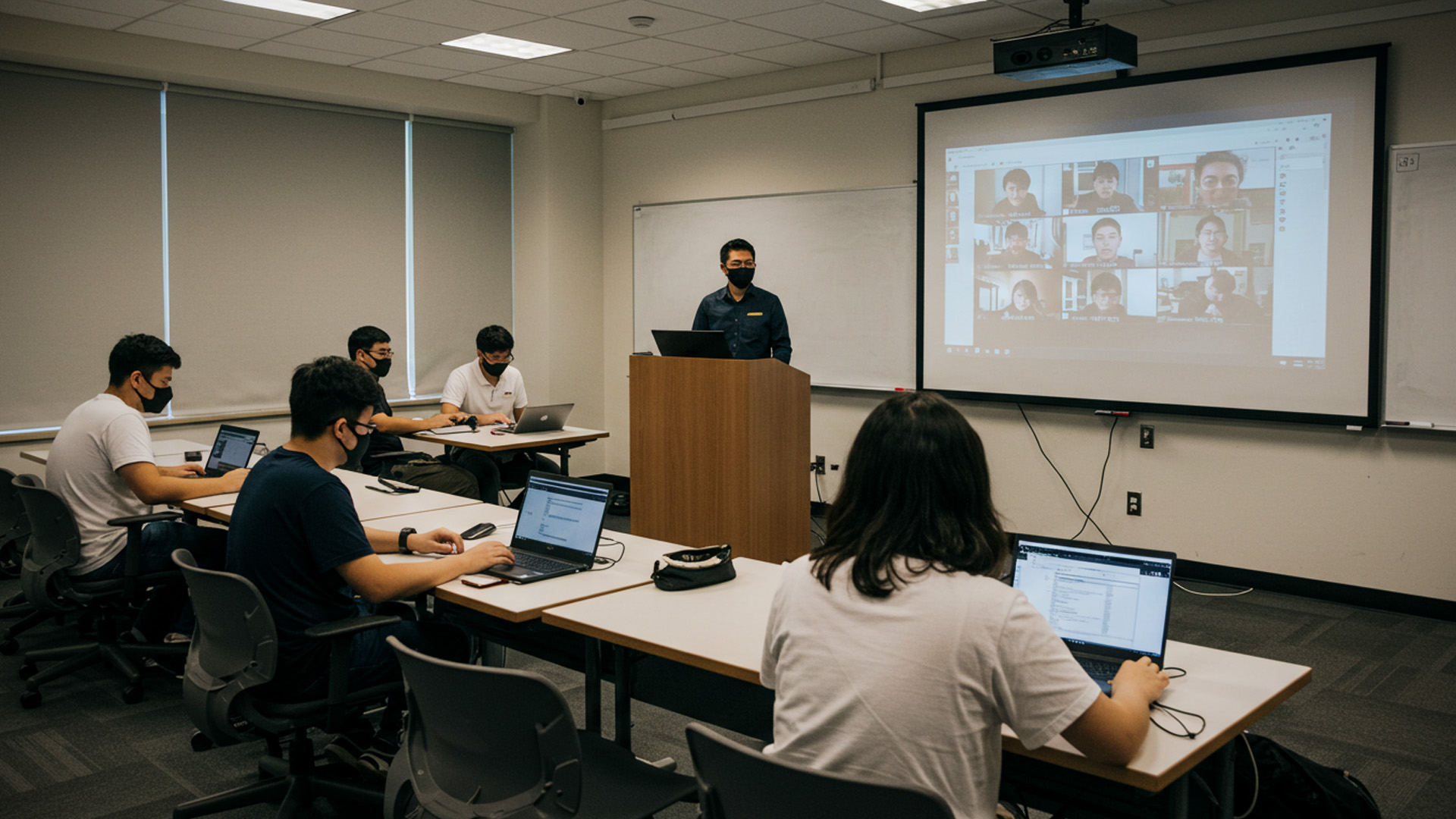
Virtual classrooms have emerged as a transformative element in modern digital learning, offering immersive spaces where theory meets application. In South African universities, these platforms mirror real-world environments by integrating virtual labs, simulated field experiences, and collaborative projects that are accessible from anywhere. The digital interface acts like a high-definition window into complex subject matter, making abstract concepts tangible and relevant. Students can engage in interactive lectures, participate in group projects, and witness demonstrations that closely mimic industry scenarios, much as families plan trips using detailed maps and digital guides to navigate safe and scenic beach destinations.
The emergence of virtual classrooms is revolutionizing the academic narrative by blending rigorous theoretical instruction with practical, real-life applications. Educators curate experiences where learners can experiment, analyze, and innovate without physical constraints. This methodology, reminiscent of interactive museum exhibits that encourage tactile learning and discovery, promotes active participation and real-time feedback. By offering students an environment where errors become stepping stones and curiosity fuels exploration, South African institutions are paving the way for a generation that is well-prepared to meet both academic and professional challenges head-on.
Interactive Digital Syllabus Design
Interactive digital syllabus design is redefining how educators outline course objectives, assignments, and resources. In a bid to increase clarity and engagement, professors now employ dynamic, multimedia syllabi that incorporate graphics, hyperlinks, and embedded videos. This reimagined approach transforms a static document into a vibrant academic roadmap, guiding students along a predetermined yet flexible path. The process is analogous to planning a family expedition to child-friendly wildlife parks, where a well-crafted itinerary ensures each participant discovers something unique and engaging at every stop along the journey.
This digital evolution offers instructors the opportunity to update content in real-time, ensuring the curriculum reflects the latest scholarly research and industry developments. The interactive syllabus is not merely an information repository but a living document that evolves alongside technological advances. Through intuitive design and user-centric navigation, learners are empowered to explore supplemental resources and engage with topics that resonate with them. This enhanced method of curriculum delivery fosters a more inclusive and personalized educational experience, making learning an adventure that stimulates both intellect and imagination.

Transforming Learning Environments
Adaptive Learning Spaces
Adaptive learning spaces in modern universities epitomize the marriage of technology with pedagogy by creating environments that adjust to individual student needs. Through advanced algorithms and analytics, digital platforms assess student progress and tailor content delivery to optimize understanding. Much like an interactive museum that adjusts the narrative based on visitor interest, these spaces empower learners to navigate course material in a manner that best suits their cognitive styles. The flexibility provided by adaptive environments ensures that every student, regardless of background or ability, gains an equitable opportunity to excel academically.
These intelligent ecosystems are designed to provide real-time feedback and adjust instructional material on the fly, much like how smart navigation systems recalibrate routes based on traffic conditions. Adaptive learning spaces foster engagement by creating personalized learning trajectories, ensuring that students receive content that is neither too challenging nor too simplistic. This approach not only enhances academic outcomes but also cultivates self-paced exploration and inquiry. In an era where digital learning stands at the forefront, the ability to mold educational experiences around individual needs represents a transformative step toward a more inclusive and effective educational paradigm.
Collaborative Digital Platforms
Collaborative digital platforms are instrumental in fostering interactive exchanges and group learning within South African universities. These platforms allow students and educators to co-create knowledge through forums, virtual group projects, and cloud-based document sharing. In effect, technology transforms the traditional classroom into a collaborative digital village where ideas flow freely, similar to the coordinated efforts required during a family vacation planning session. By emphasizing teamwork and shared responsibilities, these platforms help develop critical interpersonal skills and deepen content understanding through peer-to-peer interaction.
The digital tools embedded in these platforms act like bridges connecting disparate minds, encouraging dialogue that enhances the learning process. As participants share diverse perspectives, they cultivate an environment that mirrors the exploratory and hands-on nature of interactive exhibits in child-friendly museums. Collaborative environments also provide the opportunity to resolve challenges collectively, drawing on the strengths of a diverse digital community. In doing so, they underline the importance of communication, creativity, and mutual respect in achieving academic success—qualities that are equally valued in family dynamics and multi-generational travel experiences.
Technology-Infused Campus Experiences
South African universities are embracing technology-infused campus experiences that extend beyond the classroom and into every facet of academic life. From smart lecture halls to IoT-enabled campus management systems, institutions are redefining campus life with digital innovation. These advancements create a cohesive digital ecosystem that mirrors the safety and convenience sought by families exploring secure beach destinations using digital navigation tools. By integrating sensors, mobile apps, and real-time data analytics, campuses become interactive hubs where learning, social interaction, and resource management coexist seamlessly.
Digital campus experiences are transforming the traditional notion of ‘being on campus’ into a dynamic, interconnected experience. Students and staff benefit from enhanced mobility, streamlined access to academic resources, and innovative security systems that ensure safe, efficient transit across campus. The campus environment now resembles a well-organized travel itinerary, where every digital touchpoint—from library checkouts to event registrations—operates with pinpoint precision and user-friendliness. These technological advancements enhance not only the logistical aspects of university life but also contribute to a vibrant, secure, and engaging academic community.
Streamlined Administrative Processes
Digital Enrollment & Record Management
Digital enrollment and record management systems are revolutionizing administrative processes in South African higher education by streamlining application procedures and academic record-keeping. Modern platforms enable prospective students to submit applications online, track progress in real time, and receive timely updates on admission decisions. Analogous to the user-friendly itinerary planning found in family travel apps, these systems simplify processes and reduce bureaucratic delays. The automation of such tasks enhances accuracy and minimizes errors, ultimately improving the overall student experience and administrative efficiency.
Integrated digital record management systems facilitate secure storage and rapid retrieval of academic data. This technologically advanced approach enables both administrative staff and students to access records with ease, reducing reliance on paper documents and eliminating redundancies. Like a meticulously organized travel planner that ensures every reservation, ticket, and map is at your fingertips, digital enrollment systems provide a clear, accessible, and interactive way to manage academic affairs. These platforms underscore a commitment to transparency, efficiency, and sustainability within university operations, aligning with modern technological standards and expectations.
Data-Driven Decision Making
Data-driven decision making is a cornerstone of the digital transformation impacting university administration, where analytics guide strategic planning and operational improvements. Administrators in South African institutions are leveraging real-time data from academic performances, enrollment statistics, and campus resource usage to inform policy and enhance service delivery. This practice is reminiscent of using smart travel applications that analyze preferences and past behaviors to recommend bespoke family vacations, ensuring that decisions are grounded in reliable, actionable insights. The fusion of big data and administrative decision-making not only optimizes resource allocation but also elevates the academic experience.
By incorporating advanced analytics into day-to-day operations, universities create a culture of accountability and continuous improvement. Data is meticulously gathered, processed, and visualized, allowing for quick identification of trends and proactive resolution of issues before they escalate. This strategic approach, resembling the methodical planning required for a multi-generational travel itinerary, ensures that every decision is aligned with institutional goals. As a result, universities can tailor their strategies to meet the evolving demands of the academic environment, thereby fostering an ecosystem that values precision, adaptability, and informed leadership.
Integrated Communication Systems
The deployment of integrated communication systems in South African universities has catalyzed a paradigm shift in administrative coordination and campus connectivity. These systems consolidate emails, messaging platforms, and announcement boards into a single digital framework, fostering a seamless exchange of information. Comparable to modern travel apps that consolidate weather updates, itinerary changes, and local alerts into one dashboard for family convenience, these solutions streamline institutional communications and enhance responsiveness. Enhanced connectivity ensures that students, faculty, and administrators remain consistently informed and engaged in campus activities.
Such systems also mitigate miscommunication by providing real-time updates and enabling interactive feedback channels across all university departments. The integration of multiple communication tools into a unified system empowers stakeholders to coordinate events, share resources, and resolve challenges promptly. This digital symphony of communication not only improves operational efficiency but also cultivates a culture of transparency and collaboration. Ultimately, integrated communication systems serve as the backbone of a digitally enriched academic landscape, ensuring that every participant is connected, informed, and invested in the institution’s continual evolution.

Beyond Universities: Family-Centric Digital Ecosystems in South Africa
Wildlife Parks & Child-Oriented Digital Initiatives
Wildlife parks in South Africa are evolving with digital initiatives that extend the educational and interactive experiences available to families and young learners. Universities, recognizing the value of these platforms, are collaborating with local parks to integrate augmented reality tours, digital guides, and interactive exhibits that appeal to children’s innate curiosity. This synergy between higher education and wildlife conservation provides a dual benefit: enriching academic curricula with real-life ecological insights and offering families engaging, child-friendly educational excursions. The digital tools employed act like interactive maps guiding families through vibrant natural habitats while imparting valuable scientific knowledge.
Such initiatives exemplify a harmonious blend of digital learning and experiential education by merging technology with the breathtaking beauty of South Africa’s biodiversity. Children's digital interactions are complemented by robust educational content sourced from academic research, fostering an environment where learning extends beyond textbooks. The integration of QR codes, mobile apps, and interactive displays transforms the traditional park visit into a dynamic learning expedition. By leveraging digital technology, universities and wildlife parks alike create enriching experiences that nurture environmental awareness, spark curiosity, and ultimately build a bridge between academic knowledge and the wonders of the natural world.
Interactive Museums & Learning Expeditions
Interactive museums across South Africa are redefining the cultural landscape by incorporating digital exhibits, virtual reality installations, and gamified learning expeditions that captivate multi-generational audiences. In collaboration with academic institutions, these museums have evolved into dynamic spaces where historical artifacts meet digital storytelling, engaging both scholars and families alike. The integration of digital kiosks and interactive displays echoes the hands-on approach of modern classrooms, where learning is an immersive, participatory experience. Visitors are invited on educational journeys that leverage cutting-edge technology to explore topics ranging from local heritage to global scientific advancements.
The reimagined museum experience is akin to embarking on a well-planned family adventure, where each exhibit is a stop on a thoughtfully designed itinerary. Families can interact with digital artifacts, take part in guided virtual tours, and access detailed information at the touch of a button. This fusion of traditional curation with digital innovation provides a compelling narrative that enriches visitors’ understanding while inspiring further inquiry. As academic institutions and museums work hand in hand, the resulting initiatives resonate with the spirit of lifelong learning and cultural exploration. These interactive exhibits not only bridge the gap between past and present but also offer a blueprint for future educational endeavors that captivate both the young and the young at heart.
Safe Beach Destinations with Digital Navigation & Practical Travel Guidance
Safe beach destinations in South Africa have embraced digital navigation and practical travel guidance to ensure families and multi-generational travelers experience coastal adventures with confidence and ease. Universities play a pivotal role in this digital shift by developing research-backed safety protocols, mobile applications, and interactive maps that provide real-time updates on beach conditions, local amenities, and navigational tips. The use of digital tools in enhancing travel experiences mirrors the evolution of academic learning—where technology simplifies complexity and imparts clarity. These innovations allow visitors to traverse the coastal landscape confidently, much like students navigate digital learning platforms with informed guidance from expert educators.
Digital navigation systems and travel apps are transforming seaside excursions by offering personalized itineraries and safety alerts that cater specifically to family needs. By fusing practical travel advice with academic insights, these tools enable travelers to plan their visits meticulously, ensuring that every beach outing is both enjoyable and secure. The digital platforms, drawing on data analytics and user feedback, create a responsive interface that adjusts recommendations based on weather, tides, and local events. This holistic approach not only enhances the visitor experience but also reinforces the commitment to safety and education. In essence, the integration of digital navigation in coastal tourism reflects a broader trend in how technology enriches real-life experiences, making every journey a seamless blend of learning, adventure, and security.
Elisha Roodt
Sharing authentic stories and expert insights from the heart of South Africa's higher education landscape.
More From South Africa
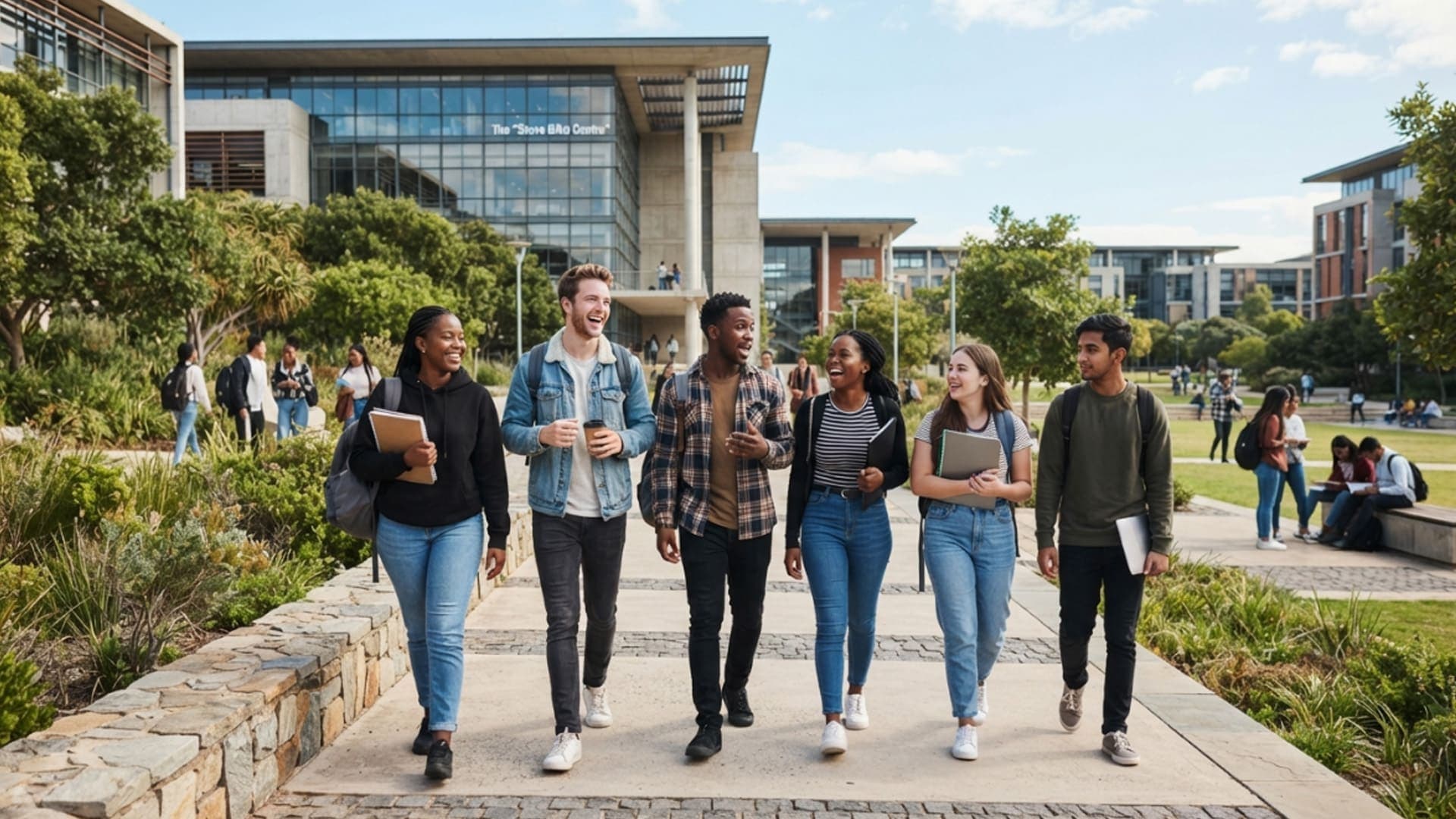
Choosing a South African University in 2026: How to Compare Courses, Campuses and Career Pathways
Choosing a university involves more than selecting a well-known name. Students should compare course content, entry requirements, location, costs, support services and career opportunities before applying.
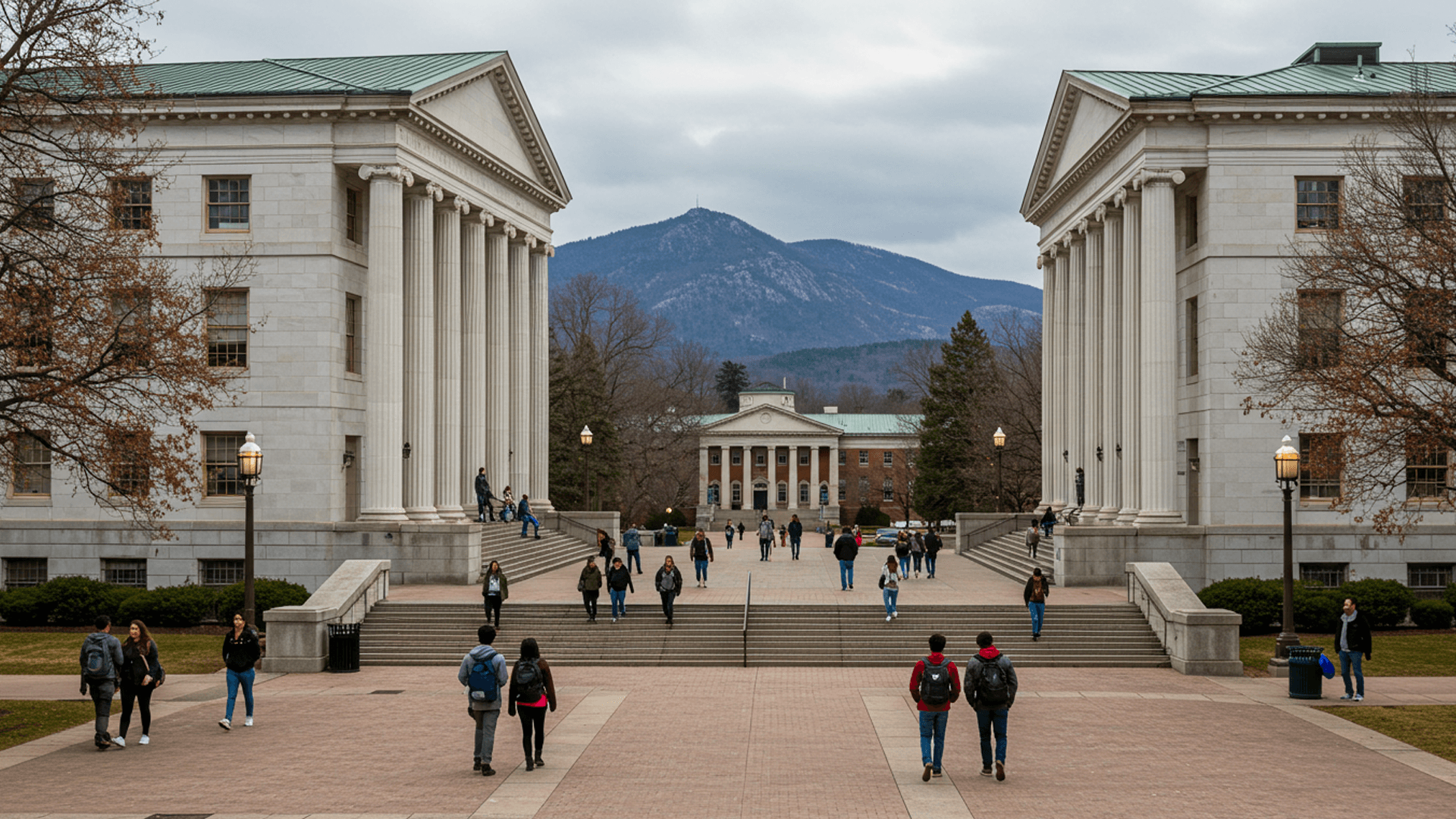
Access vs Success: The Gap Between Getting In and Thriving in South African Universities
Why Opening the Gates Isn’t the Same as Crossing the Finish Line Every January, South Africa celebrates as hopeful students clutch their...

Top 10 Universities in South Africa 2025
The "Top 10 Universities in South Africa 2025 Edition" highlights institutions excelling in research, innovation, and student success. Leading the list are the University of Cape Town, University of the Witwatersrand, and Stellenbosch University. These universities are recognized for their academic excellence and global impact.

How to Apply to South African Universities
Applying to South African universities involves researching programs, meeting academic and language requirements, preparing application materials, and submitting through online portals.

Top Degrees to Pursue in South Africa
Navigating the labyrinth of higher education can feel akin to embarking on an exhilarating adventure, where each degree represents a distinct path...

In-Demand Career Paths
Navigating the South African Job Market: Unlocking Opportunities Through Strategic Education South Africa's dynamic economy presents a tapestry of...