
Group Projects Reveal the Human Side of University Learning
Collaborative assignments teach more than subject content: they show how students negotiate ideas, responsibility and shared work.
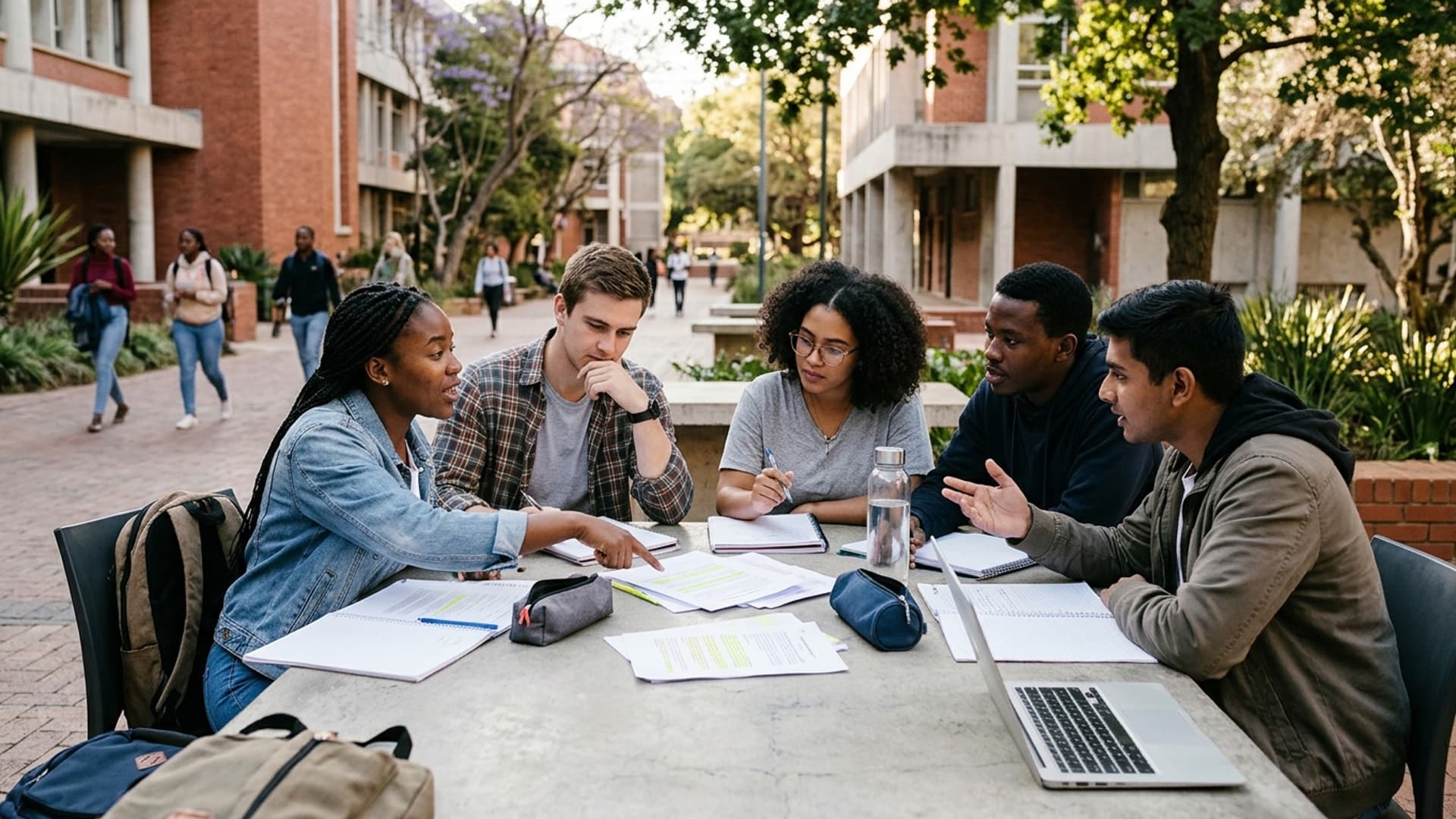
Group work can make a course feel more connected to the way knowledge is built beyond the classroom. Students bring different strengths to a shared task, test their assumptions against other viewpoints and learn to explain their thinking. The academic outcome matters, but so does the experience of working through disagreement and shared responsibility.
A fair project does not happen automatically. The assignment needs a clear purpose, and students need to understand how collaboration will be assessed. Roles can evolve, but expectations about communication and contribution should be explicit. Reflection after the work can help students recognise both what the group produced and how it worked together.
There is also a broader question for universities: how can collaborative learning make room for different schedules, access needs and communication styles? Digital tools may help a group stay connected, but they do not replace thoughtful course design or a transparent process for resolving difficulties.
South Africa University’s higher education stories can examine learning as a social practice, not only an individual achievement. Group projects are sometimes frustrating, sometimes unexpectedly creative, and often a revealing rehearsal for the kinds of collaboration students will encounter in many fields.
Agree how contribution will be visible
Decide what evidence will show each person's work: draft history, task tracker, meeting notes or individual reflection. Keep the method proportionate and transparent. The purpose is to make responsibilities clear, not to monitor every minute. If the course has a formal peer-assessment process, read its guidance before the project begins.
Rotate administrative roles when possible. One student should not automatically become note-taker, scheduler and editor because they are organised. Sharing these tasks gives everyone practice and reduces invisible workload. Check the distribution at each milestone and adjust if circumstances change.
Handle disagreement with evidence
When group members disagree about direction, return to the assignment criteria and compare options against them. Each person can state the evidence or reasoning behind a proposal. If the group remains stuck, ask the tutor a focused question rather than escalating the conflict personally. A documented decision helps the team move forward even when not everyone prefers the same option.
Distinguish a disagreement about ideas from disrespectful behaviour. Set expectations for communication and use the institution's process if a group member is harassed or unsafe. Fair collaboration does not require accepting harmful conduct as part of learning.
Close the project responsibly
Before submission, confirm that every member has reviewed the final version and understands what is being submitted. Credit sources and contributions accurately, check permissions for included material and save the final file in the agreed location. Afterward, share any required peer feedback through the formal process, not in a public chat.
Give every member a chance to learn
Rotate roles such as presenter, researcher and editor when the assignment allows. This prevents one person from always doing the visible work while others handle logistics. A short reflection can help the instructor understand what each student practised and what the group would improve in future collaboration.
Group work teaches collaboration explicitly
Collaborative assignments can help students compare ideas, share expertise and produce work that would be difficult alone. They also reveal the human side of learning: people negotiate responsibility, communicate under time pressure and respond to different working styles. A fair group project does not assume that these skills appear automatically; it creates a process in which students can practise them.
The assignment brief should explain the shared outcome, individual expectations, assessment criteria and how contribution will be considered. Students need to know whether the grade is shared, partly individual or based on separate components. Ambiguity can create conflict even when everyone is trying to participate.
Begin with a shared understanding
At the first meeting, read the brief together and agree on what the task is asking. Identify the deliverables, deadline, research needs and decisions that require group agreement. Ask each person what strengths or constraints they bring, but do not assume that everyone has the same schedule, device access or confidence speaking in a meeting.
Create a simple working agreement: communication channel, response expectations, meeting times, file location and what happens when someone cannot attend. Choose a chair or rotate facilitation if useful. Write down decisions so that absent members can catch up and the group does not repeatedly debate the same point.
Divide work fairly and transparently
Break the project into tasks with clear owners, expected outputs and due dates. Distribute work based on availability and learning goals, not only on who volunteers first. Some tasks are visible, such as presenting; others, such as research, editing, organising files or coordinating meetings, can take substantial time. Recognise those contributions.
Use checkpoints before the final deadline. Early drafts reveal whether the sections fit together and whether workload is uneven. A shared tracker can show progress without turning the project into surveillance. If a task is blocked, raise it early and redistribute work through an agreed process.
Make space for different ways of contributing
Some students think aloud; others need time to prepare. Use agendas and share questions before meetings. Allow asynchronous comments or written input when appropriate. This can help students who have work, caring responsibilities, disabilities or language differences contribute meaningfully.
Group discussions should focus on the work, not personal judgments. Invite quieter members to contribute without putting them on the spot. If a disagreement arises, return to the brief, evidence and criteria. The goal is not for the loudest person to win but for the group to make a reasoned decision.
Keep records and resolve problems early
Store versions in a shared folder and use clear filenames. Keep meeting notes, decisions and task ownership. If someone is not responding or a contribution is missing, contact them privately and respectfully before assuming the reason. There may be circumstances the group does not know about.
If the issue continues, use the lecturer, tutor or course process. Check the brief for guidance on peer assessment, contribution records or conflict support. Contacting staff early provides more options than waiting until the submission deadline. Do not publicly shame a group member or make promises about grades the group cannot control.
Integrate the final work
Reserve time to combine sections, check consistency and confirm the final submission. Different writing styles, duplicated content or conflicting assumptions may appear when parts are merged. One person should not be expected to repair everything at the last minute; integration should be assigned and shared. Check citations, image rights, formatting and submission instructions together.
Prepare the presentation or handoff so that each member understands the whole project, not only their own section. This supports questions and demonstrates shared learning. If roles are assigned for a presentation, make sure each person has a meaningful part and a clear transition.
Reflect on how the group worked
After submission, discuss what helped, where the process was unfair and what to change next time. Use evidence: Were deadlines visible? Did meetings have a purpose? Were tasks balanced? Reflection should identify specific adjustments rather than blame. Students can carry those practices into future courses and work settings.
Fair group projects require clear expectations, transparent work, multiple ways to contribute and early support when problems arise. These structures allow collaboration to teach more than subject content: they help students practise negotiation, responsibility and shared thinking.
Elisha Roodt
Sharing authentic stories and expert insights from the heart of South Africa's higher education landscape.
More From Universities
A University Course Is More Than Its Module List
A degree takes shape through the links between modules, teaching, assessment and the questions students learn to ask along the way.
Choosing a South African University in 2026: How to Compare Courses, Campuses and Career Pathways
Choosing a university involves more than selecting a well-known name. Students should compare course content, entry requirements, location, costs, support services and career opportunities before applying.
Access vs Success: The Gap Between Getting In and Thriving in South African Universities
Why Opening the Gates Isn’t the Same as Crossing the Finish Line Every January, South Africa celebrates as hopeful students clutch their...

Top 5 Student Accommodation Options Near Major South African Universities
Finding the Right Place to Call Home During University Years Choosing where to live during university years is more than just securing a bed and a...

Harnessing Digital Transformation
South African universities are embracing digital transformation to enhance student success. Institutions like Tshwane University of Technology are collaborating with tech giants such as IBM and Huawei to create innovation hubs, providing students with practical, workplace-based projects. This approach aims to ensure that all stakeholders—senior management, staff, and students—are actively involved in the digital transformation journey

Top 10 Universities in South Africa 2025
The "Top 10 Universities in South Africa 2025 Edition" highlights institutions excelling in research, innovation, and student success. Leading the list are the University of Cape Town, University of the Witwatersrand, and Stellenbosch University. These universities are recognized for their academic excellence and global impact.