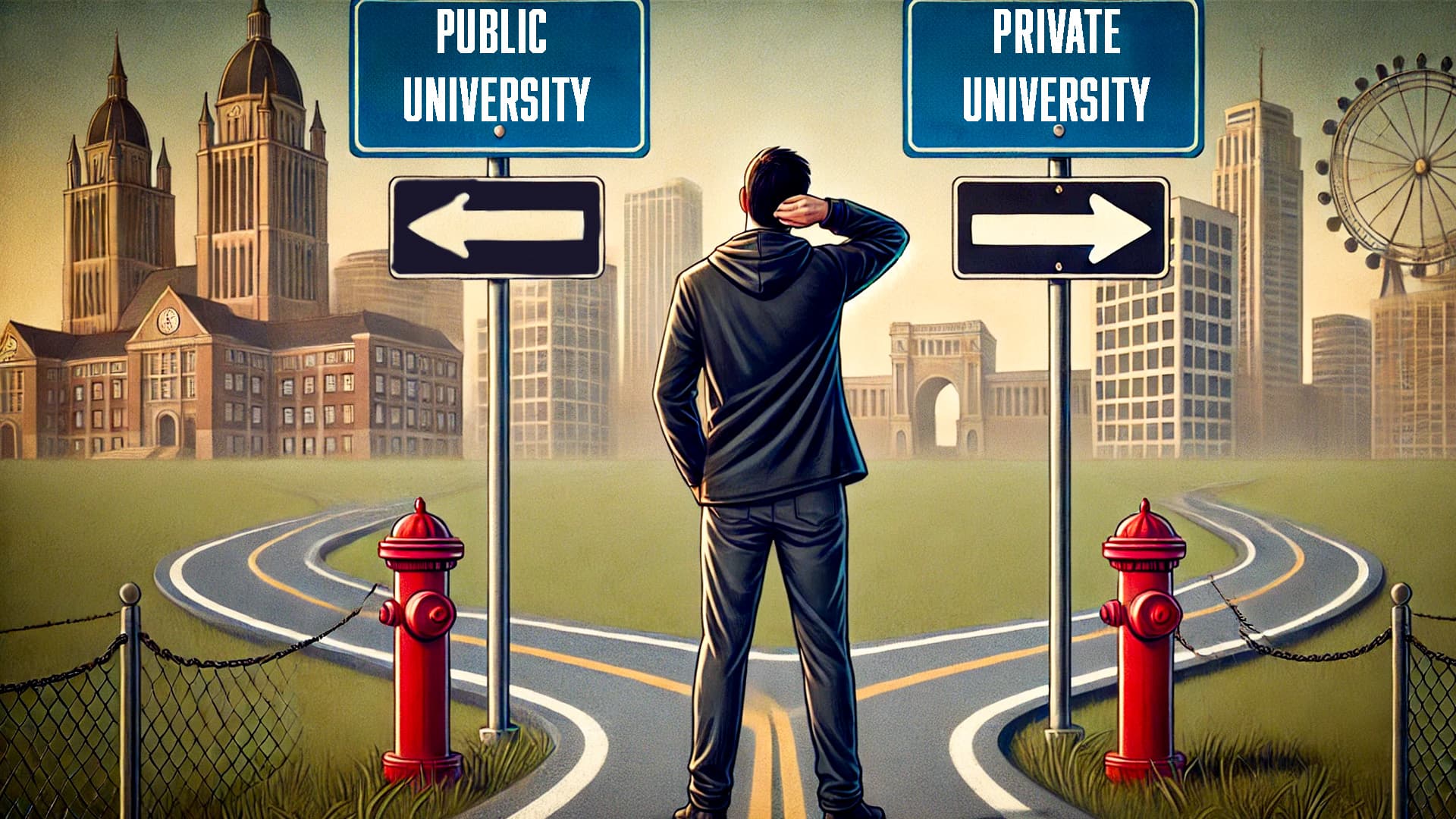
Comparison of Public vs. Private Universities in South Africa
South Africa’s higher education landscape is a complex tapestry, woven from the threads of both public and private institutions. These...
South Africa’s higher education landscape is a complex tapestry, woven from the threads of both public and private institutions. These universities serve as pillars of intellectual development, cultivating the minds of future leaders and innovators. However, the stark contrasts between public and private universities often raise questions for students seeking the ideal educational environment. From the nuances of funding models to the availability of opportunities beyond the classroom, each type of institution offers distinct advantages and drawbacks. This article delves into a comprehensive analysis of the differences, benefits, and challenges posed by public and private universities in South Africa.
Overview of South Africa’s Higher Education System
Brief History of Public and Private Universities
Public universities have long dominated South Africa’s higher education system, established in the early 20th century to serve the nation’s need for skilled professionals. Institutions like the University of Cape Town and Stellenbosch University became cornerstones of South Africa’s academic heritage, serving vast numbers of students from diverse backgrounds. In contrast, private universities are relatively new players in the sector, emerging in response to the increasing demand for more flexible and niche educational offerings. These institutions often cater to specialized fields and are characterized by smaller, more exclusive student bodies.
The Role of Public vs. Private Institutions in Shaping South African Society
Public universities have historically played a pivotal role in addressing societal challenges in South Africa, particularly during the apartheid era. These institutions were hotbeds of political activism, serving as platforms for critical discourse and social change. On the other hand, private universities, less tied to political movements, often emphasize innovation and entrepreneurship, contributing to the country’s economic transformation in a more commercially driven manner. Both public and private institutions continue to shape the social fabric, albeit through different approaches.
Growth and Popularity of Private Universities: A Recent Phenomenon
The rise of private universities in South Africa is a testament to the shifting dynamics of education. As the demand for higher education continues to surge, and public universities become increasingly overcrowded, many students are turning to private institutions as alternatives. The growth of these institutions signals a trend towards more personalized and specialized education, appealing to students seeking more direct pathways into the professional world.
Understanding the Differences Between Public and Private Universities
Funding Models: Government Subsidies vs. Private Investment
Public universities are primarily funded through government subsidies, which allow them to offer lower tuition fees to students. This model is designed to provide education as a public good, accessible to as many individuals as possible. Private universities, however, rely heavily on private investment, donations, and tuition fees, which can significantly raise the cost of attending these institutions. While this may result in smaller class sizes and more personalized attention, the financial burden is often greater on students and their families.
Governance Structures: Public Oversight vs. Private Autonomy
Public universities are governed by state-appointed bodies, which means they are subject to national educational policies and regulations. This can sometimes result in bureaucratic inefficiencies and slower responsiveness to the changing needs of the job market. Conversely, private universities enjoy more autonomy, allowing them to swiftly adapt their curricula and administrative structures to meet industry demands. This agility can be a considerable advantage in rapidly evolving sectors such as technology and business.
Admission Criteria: Inclusivity vs. Selectivity
Public universities, due to their mission to serve the broader population, often have more inclusive admission policies. They aim to provide access to higher education for students from diverse socioeconomic backgrounds. Private universities, on the other hand, tend to be more selective, targeting students with specific academic or financial qualifications. This can create an exclusive environment, but it also ensures that private institutions maintain high academic standards and small, focused cohorts.
Cost of Education: Public vs. Private Tuition and Fees
Affordability of Public Universities for Low-Income Families
One of the defining features of public universities in South Africa is their relative affordability. Government funding helps keep tuition fees within reach for most students, particularly those from lower-income families. Additionally, public universities offer numerous financial aid programs, such as the National Student Financial Aid Scheme (NSFAS), to further reduce the financial burden on students.
Financial Aid and Scholarships: Access for Students
Both public and private institutions offer financial aid and scholarships, but the availability and scope of these programs differ. Public universities have more extensive government-backed financial support systems, whereas private universities often rely on merit-based scholarships and external funding to assist students. The competition for these scholarships at private institutions can be fierce, and they often target academically exceptional students.
Value for Money: Are Higher Fees at Private Institutions Justified?
The higher fees at private universities often raise questions about the value for money they provide. In many cases, these institutions justify their costs with promises of superior facilities, smaller class sizes, and more individualized attention. However, it is crucial for students to assess whether these benefits align with their personal educational goals and career aspirations, as public universities often provide a similar level of academic rigor at a fraction of the cost.

Academic Reputation and Quality of Education
Faculty and Research Output: Public Universities Leading the Way?
Public universities in South Africa, such as the University of the Witwatersrand and the University of Pretoria, are renowned for their research output and academic reputation. These institutions boast a wealth of experienced faculty members and a history of producing groundbreaking research. Private universities, while still developing their research capabilities, tend to focus more on teaching and applied knowledge, emphasizing practical skills over theoretical exploration.
Curriculum Flexibility: Traditional Public Programs vs. Innovative Private Curricula
Public universities often adhere to more traditional curricula, offering established degree programs that have been fine-tuned over decades. Private universities, however, have the advantage of innovation, frequently tailoring their curricula to meet the demands of emerging industries. This flexibility allows private institutions to offer programs in areas such as digital marketing, artificial intelligence, and other rapidly growing fields.
Accreditation and Quality Assurance: How Do Both Types Compare?
Both public and private universities are subject to accreditation and quality assurance by the Council on Higher Education (CHE). However, public universities generally have a longer history of accreditation, with established reputations for maintaining high academic standards. Private universities, while also accredited, may face more scrutiny as they build their reputations and expand their offerings.
Campus Life and Extracurricular Opportunities
Diversity and Student Communities: Public Universities as Melting Pots
Public universities are known for their diverse student populations, drawing students from a wide range of cultural, economic, and geographic backgrounds. This diversity fosters a dynamic and inclusive campus environment, where students are exposed to different perspectives and experiences. Private universities, with their more selective admissions, often have less diversity but may offer a more cohesive, tight-knit community.
Facilities and Resources: Modern Amenities at Private Universities vs. Public Legacy Infrastructure
Private universities often boast state-of-the-art facilities, with modern amenities designed to attract students seeking a high-end educational experience. Public universities, while still offering excellent facilities, may have older infrastructure due to their reliance on government funding. However, many public institutions are continuously upgrading their campuses to provide students with the resources they need for success.
Sports, Clubs, and Societies: Differences in Extracurricular Offerings
Public universities typically offer a wider range of extracurricular activities, including sports, cultural clubs, and academic societies. These activities are often well-funded and provide students with ample opportunities to engage in their interests outside of the classroom. Private universities may have fewer extracurricular options but often offer more specialized clubs and societies tailored to the interests of their student bodies.

Job Market Outcomes and Employability
Alumni Networks: Connections in Public vs. Private Institutions
Public universities often have extensive alumni networks, providing graduates with valuable connections in various industries. These networks can be instrumental in securing internships, job placements, and career advancement opportunities. Private universities, while typically having smaller alumni communities, often offer more direct access to industry leaders and professionals, thanks to their focus on practical, career-oriented education.
Graduate Employment Rates: How Do They Compare?
While both public and private universities produce highly employable graduates, there is a perception that private institutions, with their emphasis on professional skills, may better prepare students for the workforce. However, public universities have a long-standing reputation for producing graduates with critical thinking skills and a strong theoretical foundation, which are highly valued in many sectors.
Internships and Industry Partnerships: Private Universities' Focus on Practical Skills
Private universities often emphasize internships and real-world experience as part of their curricula. These institutions actively cultivate partnerships with businesses and industries, providing students with opportunities to gain hands-on experience before they graduate. Public universities, while offering similar opportunities, may not place as much emphasis on internships as part of their academic programs.
The Role of Universities in Addressing Societal Challenges
Public Universities and Their Social Responsibility Mandate
Public universities have a long-standing tradition of addressing societal challenges, particularly in areas such as public health, education, and social justice. These institutions often take on research projects and community outreach initiatives aimed at improving the lives of South Africans, making them key players in the country’s development.
Private Universities’ Contribution to Economic Development
While public universities focus on social responsibility, private institutions often contribute to South Africa’s economic development through entrepreneurship and innovation. By offering programs tailored to the needs of emerging industries, private universities play a crucial role in preparing the next generation of business leaders and innovators.
The Debate on Social Equity: Access to Higher Education for All
One of the most pressing issues facing South Africa’s higher education system is access. Public universities, with their lower tuition fees and inclusive policies, are often seen as champions of social equity. Private universities, on the other hand, face criticism for their exclusivity and higher costs, which can limit access for students from disadvantaged backgrounds.

Challenges and Criticisms Facing Public and Private Universities
Public University Strikes and Protests: A Continuing Issue
Public universities in South Africa have been plagued by strikes and protests in recent years, often due to issues such as tuition fees, student housing, and labor disputes. These disruptions can negatively impact students’ academic progress and the overall functioning of the institution.
Private Universities and the Profit Motive: Quality vs. Commercial Interests
Private universities, while offering many benefits, are not without their critics. Some argue that the profit-driven nature of these institutions can lead to compromises in academic quality and the commodification of education. Ensuring that academic integrity remains a priority is a key challenge for private universities.
Long-Term Sustainability of Both Models
The long-term sustainability of both public and private universities is an ongoing concern. Public universities face funding shortages and infrastructure challenges, while private universities must balance profitability with maintaining academic standards. Both models will need to adapt to changing economic and social conditions to thrive in the future.
Choosing the Right Institution for Your Future
Factors to Consider When Making a Decision
When choosing between a public and private university, students must consider several factors, including cost, academic reputation, campus life, and career prospects. Each type of institution offers unique advantages, and the right choice depends on the individual’s personal goals and circumstances.
What the Future Holds for Public and Private Universities in South Africa
As South Africa’s higher education system continues to evolve, both public and private universities will face new challenges and opportunities. The growth of private institutions and the continued importance of public universities suggest a dynamic future for higher education in the country.
Personalized Education vs. Broader Access: Which Matters Mo re to You?
Ultimately, the decision between public and private universities comes down to a question of priorities. For some, the personalized attention and innovative programs offered by private universities may be more appealing. For others, the affordability and inclusivity of public universities will take precedence. In either case, South Africa’s higher education system offers a wide range of options to suit every student’s needs.

Choosing The Right Institution For Your Future
Elisha Roodt
Sharing authentic stories and expert insights from the heart of South Africa's higher education landscape.
More From South Africa

Choosing a South African University in 2026: How to Compare Courses, Campuses and Career Pathways
Choosing a university involves more than selecting a well-known name. Students should compare course content, entry requirements, location, costs, support services and career opportunities before applying.
Access vs Success: The Gap Between Getting In and Thriving in South African Universities
Why Opening the Gates Isn’t the Same as Crossing the Finish Line Every January, South Africa celebrates as hopeful students clutch their...

Harnessing Digital Transformation
South African universities are embracing digital transformation to enhance student success. Institutions like Tshwane University of Technology are collaborating with tech giants such as IBM and Huawei to create innovation hubs, providing students with practical, workplace-based projects. This approach aims to ensure that all stakeholders—senior management, staff, and students—are actively involved in the digital transformation journey

Top 10 Universities in South Africa 2025
The "Top 10 Universities in South Africa 2025 Edition" highlights institutions excelling in research, innovation, and student success. Leading the list are the University of Cape Town, University of the Witwatersrand, and Stellenbosch University. These universities are recognized for their academic excellence and global impact.

How to Apply to South African Universities
Applying to South African universities involves researching programs, meeting academic and language requirements, preparing application materials, and submitting through online portals.

Top Degrees to Pursue in South Africa
Navigating the labyrinth of higher education can feel akin to embarking on an exhilarating adventure, where each degree represents a distinct path...